Four shapes
| Shape | What it looks like |
|---|---|
| Bars | 96 rounded bars, mirrored above and below the middle, the classic sound wave print |
| Wave | 320 fine slices smoothed into one flowing shape |
| Circle | 120 bars around a ring, like a record |
| Dots | columns of dots, the louder the taller |
Every shape takes the same colors: a sunset, an ocean, gold on black, ink on white for a printer that saves ink, and a rainbow.
Ideas for a voice
- A partner’s “I love you” for an anniversary, with the date under it.
- A baby’s first laugh or a child’s first word, for the nursery wall.
- A grandparent’s voice saying the family’s names, kept before it is too late.
- The opening line of a wedding song, under the couple’s names.
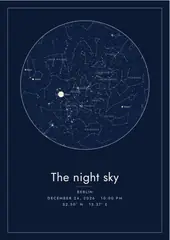
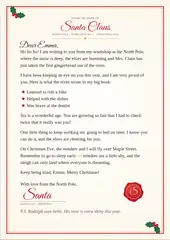
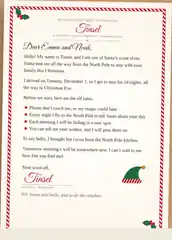
The star map poster draws the sky of a night to go with it, and more gifts to make are on the Christmas page.
Questions
How is the wave drawn?
The sound is cut into hundreds of thin slices and the loudness of each slice is measured; loud slices make tall bars, quiet ones short bars. The shape is the real shape of that recording: the same words said again make a different poster. Quiet parts are lifted a little so a whisper still shows.
Can someone hear the sound from the poster?
No, the poster is the picture of the sound, not the sound itself. To keep the recording, record it on your phone as well; on this page it lives only until you close the tab.
How long can a recording be?
Up to 30 seconds, and the slider trims it to the part you want. Two to eight seconds make the clearest shape: a short sentence, a name, a laugh. Longer recordings work, the bars just get finer.
What files can I open?
Any sound your browser plays: MP3, M4A, WAV, and the sound track of a video file. A voice message saved from a phone works too.
Is my recording uploaded?
No. The microphone recording and any file you open are decoded and measured in your browser, and the poster is drawn there. Nothing is sent anywhere.