Between the registration email and the first whistle, someone has to become the coach. Usually a parent. The paperwork that comes with it — who plays where, on which sheet, in which formation (how the players are spread over the pitch) — is not the fun part, and this page exists to take it off your hands: printable, fill-in, honest tools that run in the browser tab you already have open.
What does a youth coach need on game day?
The minimum kit is short: a line-up sheet the referee can read, a plan for who plays where, and something to write with. The line-up sheet generator covers the first two — pick the format, pick a formation, type the names, print. The pitch diagram shows every player at their position; the roster list (your list of players) below doubles as the team sheet your league wants handed in.
When a sheet should carry every player’s face — for the notice board, senior night (the last home game for the team’s oldest players) or the season banquet (the end-of-season team party) — the lineup poster guide shows the photo path with the lineup maker with pictures.
For the evenings between matches, the practice plan generator times the session — arrival games, a practice block for the night’s focus, a scrimmage (a practice match between your own players) — for your age group, session length and player count.
Everything here is free, needs no account, puts no watermark on your print, and uploads nothing: the sheet is generated on your own device.
Which format does my team play?
The small-sided ladder most youth leagues follow — small-sided simply means fewer players on a smaller pitch:
| Age group | Game format | Players (incl. goalkeeper) |
|---|---|---|
| Under 7 / Under 8 | 5 v 5 | 5 per team |
| Under 9 / Under 10 | 7 v 7 | 7 per team |
| Under 11 / Under 12 | 9 v 9 | 9 per team |
| Under 13 and older | 11 v 11 | 11 per team |
Your league’s handbook is the final word on formats, roster sizes and playing time rules — check it before the first match. The generator offers the common formation for each format (2-3-1 in 7 v 7, 3-3-2 or 4-3-1 in 9 v 9, the classic 4-4-2 family at 11 v 11) and shows the player arithmetic before you print, so a mismatch between format and league is caught at the keyboard, not at the touchline.
What exactly is on the printed sheet?
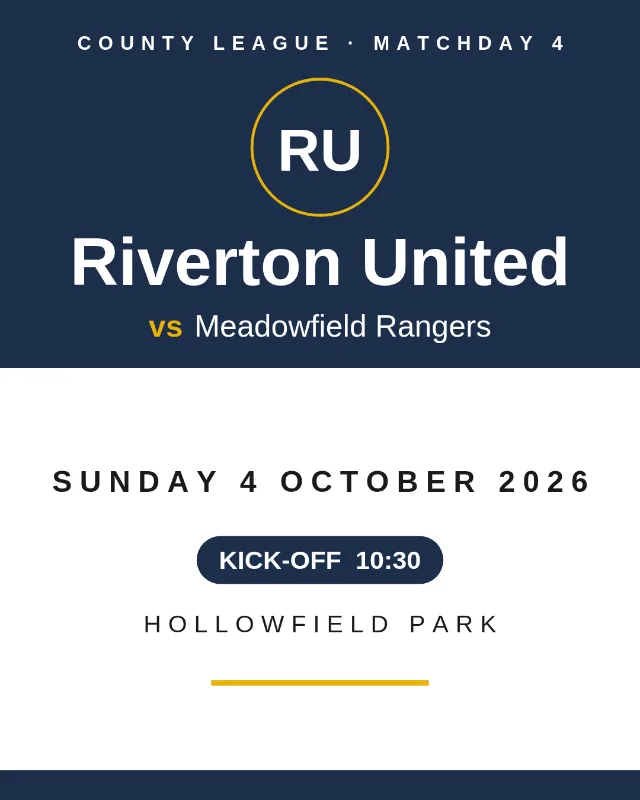
One A4 page: your team or club name, opponent, date and kick-off at the top; the pitch with every position — goalkeeper included — as a large circle carrying the shirt number and the player’s name; and a roster list at the bottom with each player’s role written out. Print it at “actual size” and the pitch keeps its proportions (on US Letter paper, “fit to page” is the right choice); hand a copy to the referee where your league requires one. The same button row prints directly if a PDF file is not needed.
What else does the season need?
The game-day guide ties these tools into one match-morning routine — which sheets to print, what size ball to bring, how long the match runs. At the other end of the season, the Soccer Season Pack turns the same typed roster into player cards, certificates, a poster page and a party checklist — €7 once, while every tool on this page stays free.
Every coaching tool on this bench — the five above and the season pack — stands together on the sports shelf.